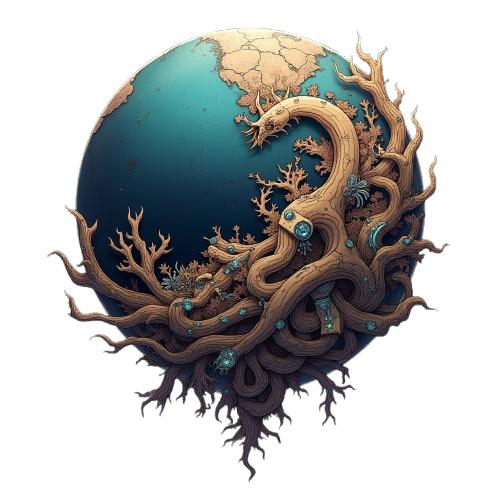

10 Essential Biopunk Works
Ten books that built biopunk, from H.G. Wells in 1896 to Kameron Hurley in 2017.
In a hurry? Here they are: The Island of Doctor Moreau (H.G. Wells, 1896), Lilith's Brood (Octavia E. Butler, 1987–1989), Ribofunk (Paul Di Filippo, 1995), Perdido Street Station (China Miéville, 2000), Oryx and Crake (Margaret Atwood, 2003), The Windup Girl (Paolo Bacigalupi, 2009), Leviathan (Scott Westerfeld, 2009), God's War (Kameron Hurley, 2011), Annihilation (Jeff VanderMeer, 2014), The Stars Are Legion (Kameron Hurley, 2017). The reasons are underneath.
Biopunk has two great obsessions that go hand in hand: the body and survival. If you're new to it, or looking to fill gaps in your reading, this is where to start.
I've arranged these chronologically rather than by rank. A lot changed between Wells and Hurley, and reading in order makes that shift easier to follow. What earns a book its place is that the biology is holding the story up and somebody in the world owns that biology, which is the test I use and which I've explained at length in my full genre analysis. One title on the list flunks the second half of that test, and I've left it in anyway. I say which one and why when we get there.
On y va!

1The Island of Doctor Moreau
A shipwrecked man finds himself on an island ruled by a scientist who surgically transforms animals into human-like creatures. It's Victorian body horror!
The starting point for a long tradition of biological manipulation horror. Most later stories about scientists remaking life owe something to Moreau.
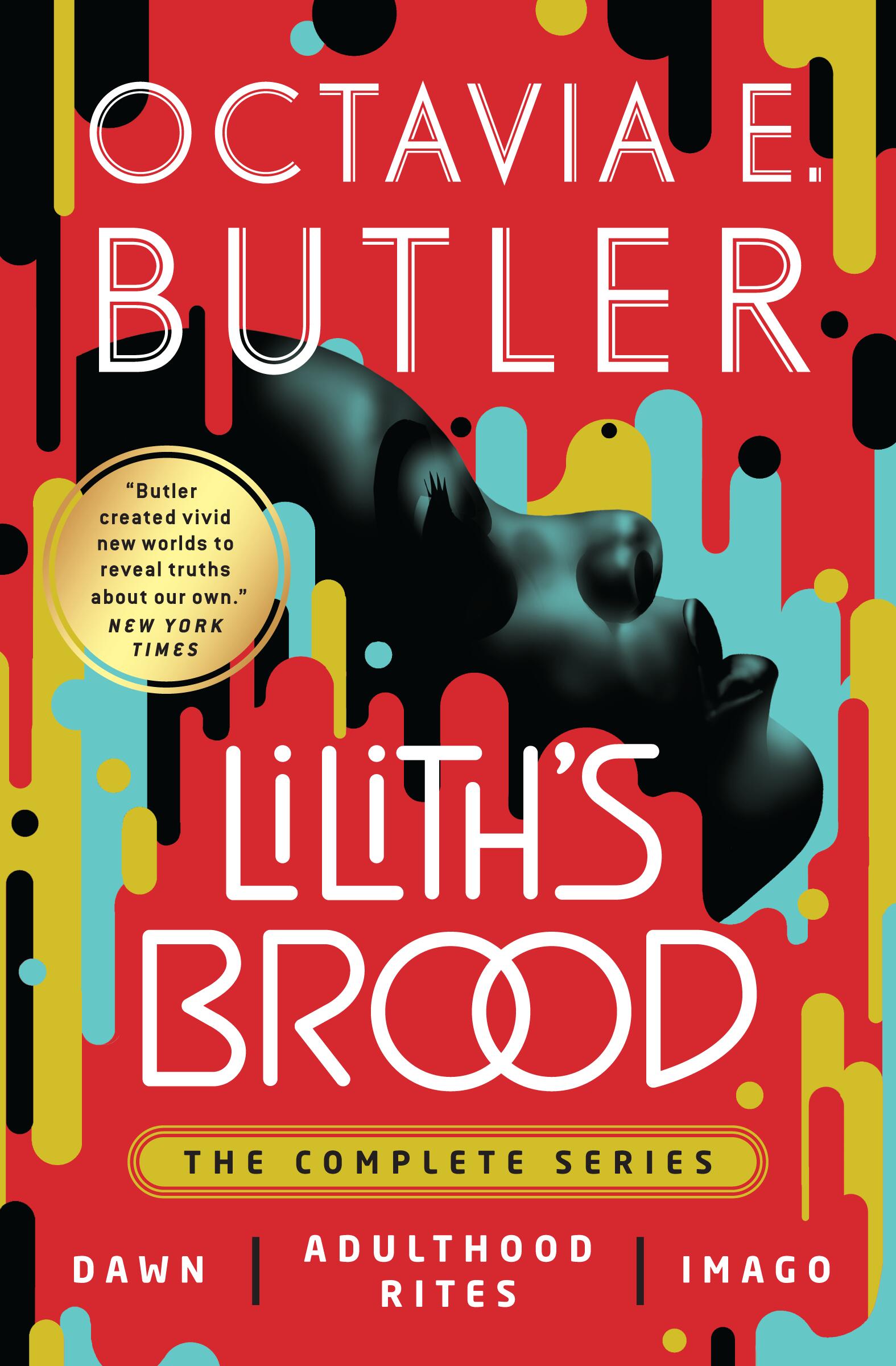
2Lilith's Brood (Xenogenesis Trilogy)
After nuclear war devastates Earth, an alien race called the Oankali save humanity—but at a price. For the Oankali, technology is biological. Their ships are living organisms. Their medicine is genetic manipulation. Humanity must interbreed with them or die.
Butler uses biological technology to complicate the idea of first contact: the Oankali can save humanity, but only by changing what humanity is.
3Ribofunk
A short story collection that gave biopunk its manifesto. Di Filippo imagines a world where the "Protein Police" patrol for illegal gene splicers, human-sea creature hybrids wage war on polluters, and biology has become the dominant science. Wild, satirical, and occasionally grotesque.
Ribofunk helped give biopunk its own identity, separate from cyberpunk. "Ribosome" + "funk" = I imagine you've understood.
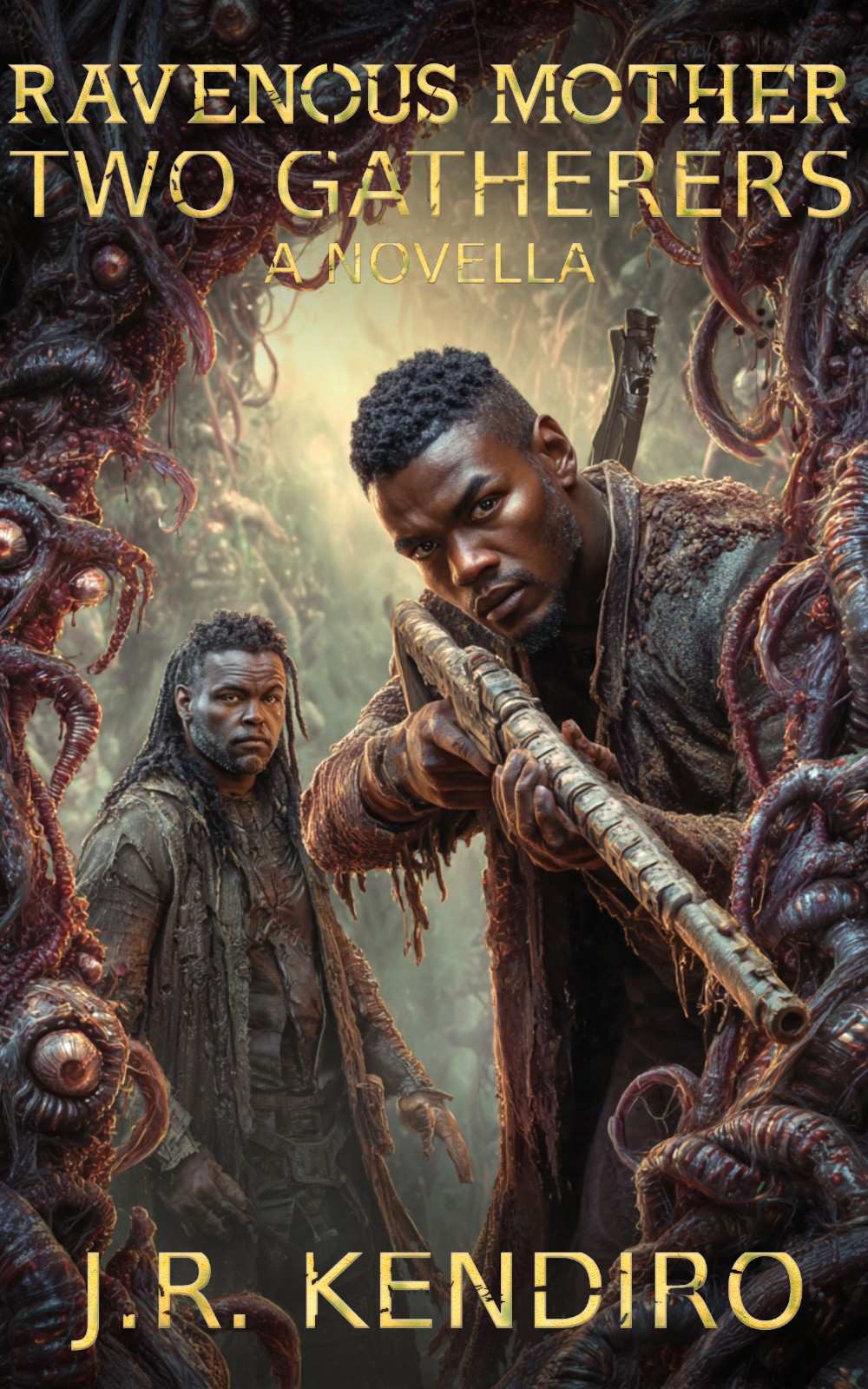
Ravenous Mother: Two Gatherers
Yes, that's my own book, sitting in the middle of somebody else's canon. The list carries on below.
No stone. No metal. No mercy. At the Last Fort, two gatherers have five days to pull off a revenge plot.
If you're looking for grimdark fantasy in biopunk worlds, well... bon appétit.
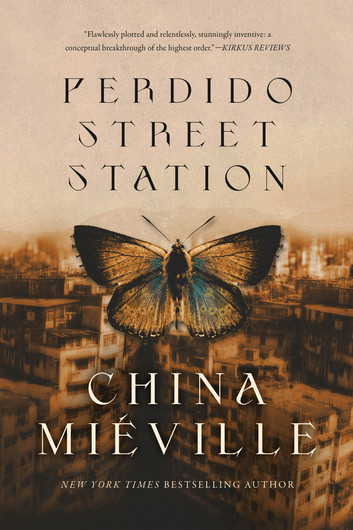
4Perdido Street Station
The city of New Crobuzon teems with biological oddities: insect-headed women, cactus people, humans surgically fused with machines as punishment. When a scientist accidentally unleashes mind-eating moths, the city's underworld and elite alike face extinction. Weird fiction meets biopunk fantasy.
Miéville took biopunk into secondary-world fantasy, far from its usual near-future SF setting. Kudos!
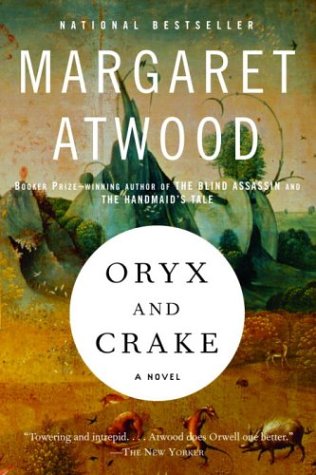
5Oryx and Crake
Snowman may be the last human alive. He guards the Crakers—gentle, engineered posthumans created by his brilliant, nihilistic friend Crake to replace humanity. The novel alternates between Snowman's desperate present and his memories of a world where biotech corporations ruled everything.
Yeah, good biopunk! Atwood turns the boring usual biotech nightmare around: “Who would actually want this?”
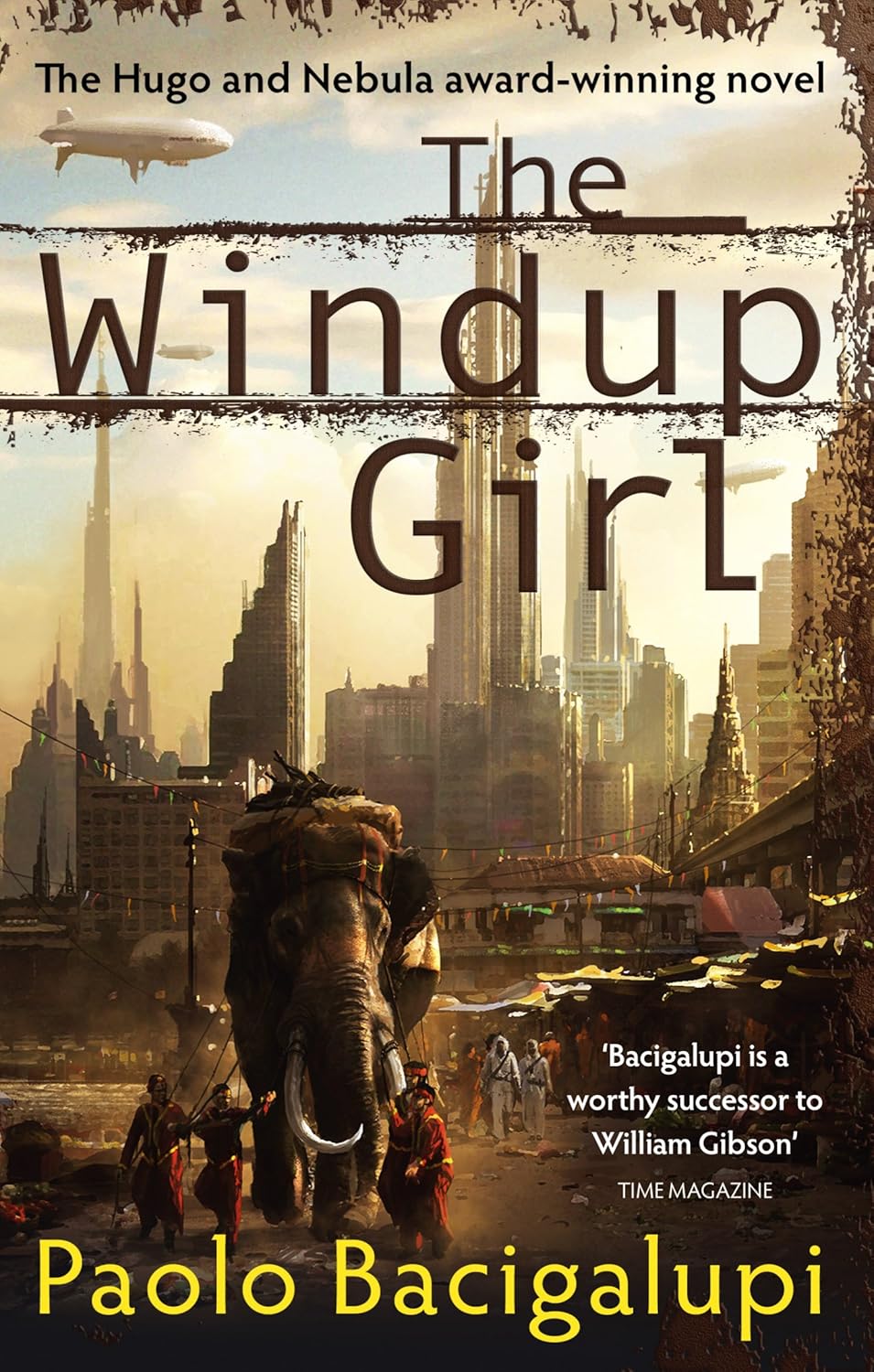
6The Windup Girl
23rd-century Bangkok, after climate collapse and calorie plagues. Biotech corporations control the food supply. Emiko is a "New Person"—genetically engineered for servitude, discarded by her Japanese owner, surviving in a world that sees her as less than human. Hugo and Nebula winner.
Bacigalupi brought biopunk back into the spotlight (not that there was all that much spotlight to begin with).
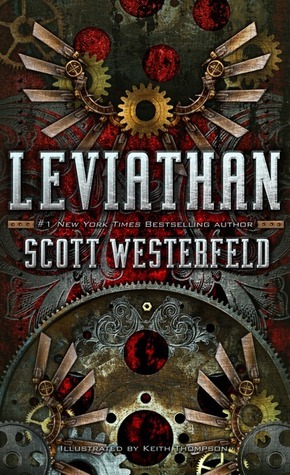
7Leviathan
An alternate World War I. The Darwinists—Britain and allies—use fabricated beasts: living airships, kraken, war elephants engineered from DNA. The Clankers—Germany and Austria—rely on walking machines. When a prince and a girl disguised as a boy cross paths, the war gets personal.
YA biopunk that never talks down. Westerfeld treats biological technology with the same practical detail that steampunk gives its machines.

8God's War (Bel Dame Apocrypha #1)
On a desert planet locked in holy war, all technology runs on insects. Bugs power vehicles, heal wounds, transmit messages. Nyx is a bel dame—a government assassin turned bounty hunter—hard-drinking, hard-fighting, and willing to sell her own organs to get the job done.
Hurley invented "bugpunk" (I think I secretly love Kameron). Matriarchal societies, Islam-inspired cultures, and the grittiest heroine in the genre. Joe Abercrombie called it "tough as nails."
9Annihilation
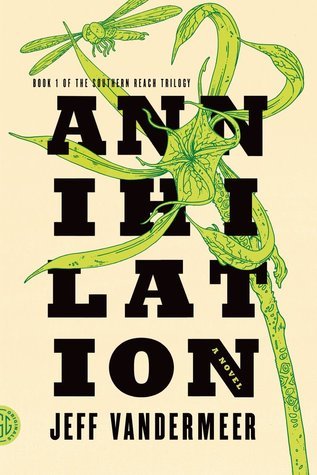
The twelfth expedition enters Area X—a quarantined zone where previous teams died, went mad, or came back as something else. The biologist narrator documents impossible creatures, texts written in living fungus, and the slow realization that the environment is transforming them.
New Weird! New Weird! NEW WEIRD! And this is the one I said flunks half the test: Area X belongs to nobody, turns no profit and answers to no committee, so the punk half of the word simply isn't there. I keep it on the list because you can't understand where biopunk ends without reading the book that sits just past the edge of it. Warning: VanderMeer is not for everyone, but those who get it tend to love him. Take in moderation. Do not read without adult supervision.
10The Stars Are Legion
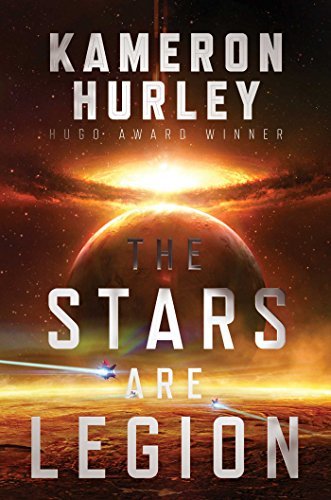
A fleet of living worldships drifts through space, each one a self-contained organic ecosystem. The inhabitants—all women—give birth to whatever the ship needs: tools, food, replacement parts. Zan wakes with no memory, caught between warring factions fighting over a dying worldship.
It's pure biopunk from top to bottom. Ships of flesh and body horror by the ton!
What Comes Next?
You'll have noticed the list stops in 2017. That's a gap in the list rather than a gap in the genre: plenty has been written since, most of it sold under other labels, and I'm working through it a book at a time over in the reviews. When enough of it has earned a place, this list gets longer.
Meanwhile, if you think I've left out something obvious, the comments are right down there and I do read them. Half the books above reached me because somebody insisted.
My own contribution is Ravenous Mother: a grimdark fantasy series set entirely inside a colossal living organism. A rigid caste society where your profession is carved into your body. A theology you can literally touch. No stone. No metal. No mercy.
Ravenous Mother: A Healer
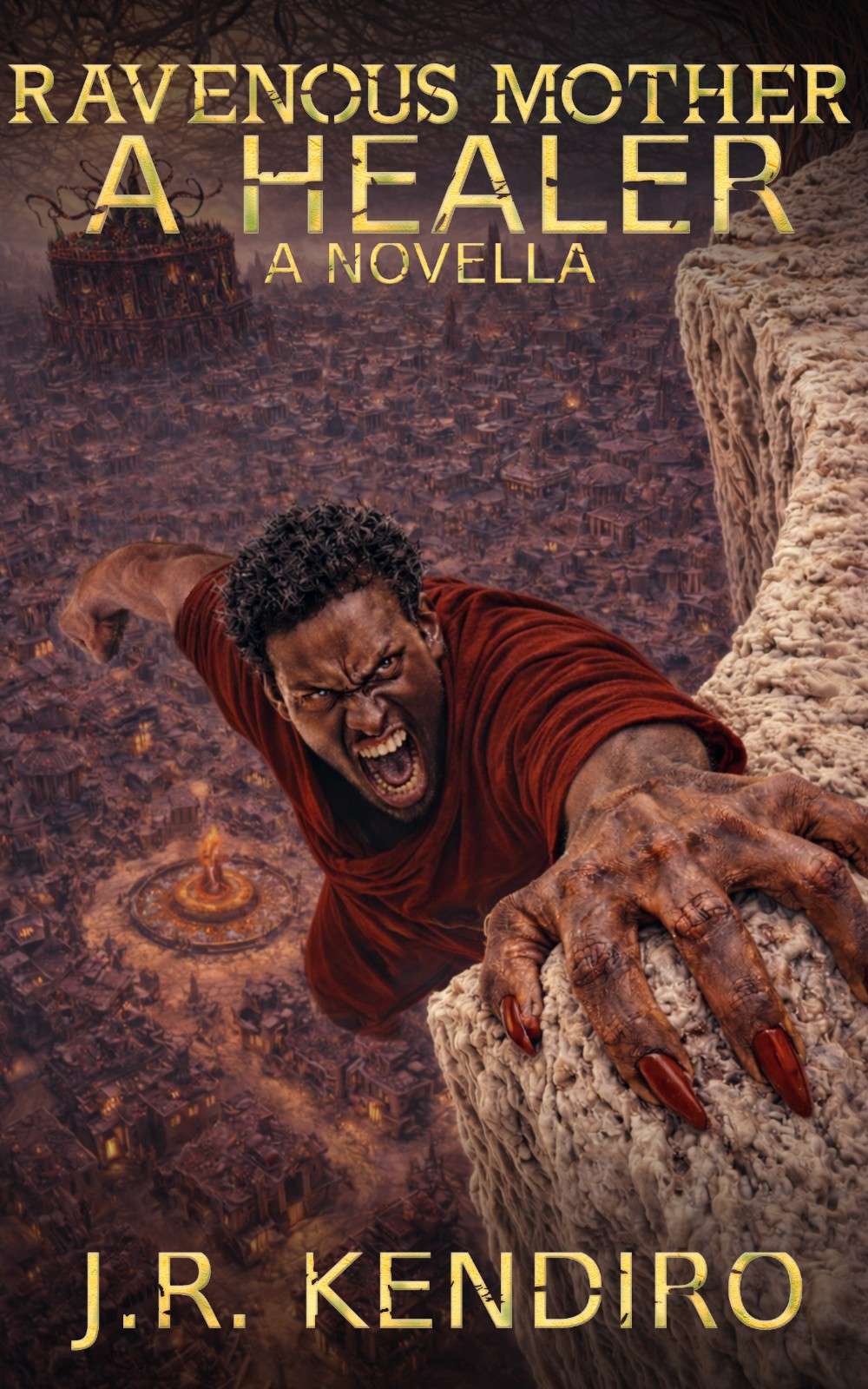
Khulekani saves lives and ends them with equal nonchalance. He selects the condemned to feed the Mother. When the last heir of a dying clan forces him to choose between saving a bloodline or execution, he'll prove that no one can stand between him and his goals.
Dark fantasy with grimdark situations and biopunk aesthetics. For readers of Barker, Cook, and Miéville.
Or start free: subscribe to my newsletter and get An Artist—a standalone novella about a painter with living pigments in a world where art is forbidden.
Comments