
Grimdark: The Fantasy That Doesn't Lie
You're walking home. Your car broke down in the middle of the road, one day after the mechanic said he'd fixed it. In the yard next door, you see your neighbor standing next to a brand-new car. He spots you and laughs, pointing at it. "I can afford this because I don't pay taxes like you, loser!" You consider killing him, but then you notice his seven-year-old son beside him. You feel ashamed of what you just thought. Then the boy sees you and flips you off. He's learning from his father.
You go inside, collapse on the couch, and pick up the book you've been reading lately: "A man who lies with a man goes against God."
When you leave childhood behind, you start to understand that the world isn't fair. The good guys don't always win.
Then you keep growing, and you realize there are no good guys or bad guys. Just people. Very, very, very complicated people. Heroes? Sometimes they're the worst thing that can happen to you.
And that's when you turn to grimdark!
Author's Note
I'm guided by two principles that go hand in hand: I love order and I hate wasting time, mine or yours.
This article defines what grimdark is, how it works, where it came from, and where it's headed. If you're in a hurry, skip to the reading list at the end.
See also: 10 Essential Grimdark Works and Dark Fantasy: The Genre That Sleeps With the Lights Off.
What Is Grimdark?
It's a fantasy subgenre. Unlike its siblings, grimdark smokes, drinks double whiskey, and lives perpetually one week from retirement.
So: brutal realism, moral ambiguity, and rejection of traditional heroic conventions. Protagonists are morally compromised, the world is hostile, and happy endings are rare.
Take a solid fantasy story. If violence has real consequences (physical, psychological, political) and no one walks away unscathed, that's grimdark. If the "villain" has understandable reasons (not justifiable, not agreeable, just understandable) and the "hero" does terrible things to survive, you're definitely reading grimdark.
It's not simply violent fantasy, though. Violent fantasy can be cathartic, heroic, even fun. Conan smashes skulls and we have a great time. Even Sanderson, hardly the darkest writer in modern fantasy, has his moments of violence. But if Kaladin does bad things (has he? I still need to start the fourth Stormlight volume and I'm already forgetting the first three), it's an exception. In grimdark, it's the rule. Smashing skulls changes you, stains you. And sometimes you discover the skull you smashed belonged to someone who didn't deserve to die. Embers in the Salt opens on exactly that promise—no hand-holding, swim or drown—and keeps it all the way to a genuinely hard-to-read epilogue.
A subtler distinction exists between grimdark and dark fantasy. They're two modes of the same territory rather than separate categories.
Dark fantasy is defined by atmosphere: gloomy worlds, threatening supernatural presences, horror permeating the setting. It can feature relatively traditional heroes fighting against the darkness.
Grimdark is defined by morality: it doesn't matter how bright or dark the world is. What matters is that no one has clean hands. There are no "good" factions. No "right" choices. Only survival, compromise, and the price you pay for both.
The two can overlap, and often do. I write stories that are both dark fantasy and grimdark. But they're not the same thing. You can have grimdark in a relatively "bright" setting (Renaissance politics with assassinations and betrayals), and dark fantasy with morally pristine heroes (noble monster hunters in a horrible world).
That said, like any self-respecting author, I don't believe in binding labels. Defining a work as grimdark, dark fantasy, or epic fantasy serves two purposes: helping readers find their favorite writers and helping writers define what they do and, perhaps, improve their craft.
Where Does All This Optimism and Rainbows Come From?
The term "grimdark" itself comes from the wargame Warhammer 40,000, whose tagline was "In the grim darkness of the far future, there is only war." It started as a semi-ironic description of an aesthetic pushed to extremes: skulls on every surface, space fascism, cosmic pessimism. But it was adopted to describe an already existing literary strand that finally had a name.
The genealogy is complex because grimdark didn't emerge from a single founding moment. Its roots dig into very different soil.
Let's start with classic sword and sorcery. We're talking Robert E. Howard with Conan, Fritz Leiber with Fafard Fafhard Fafhird Fafhrd (Holy crap!) and the Gray Mouser: stories already dirtier and more morally ambiguous than Tolkienian high fantasy. They weren't grimdark in the modern sense, but they contained the seeds: protagonists motivated by self-interest, indifferent worlds, violence with consequences (often, but not always).
Here's the thing: the quintessential grimdark protagonist is often fascinating, always interesting, never someone you'd want to grab a beer with.
My Khulekani from A Healer has been described as a cross between Sheldon Cooper and Hannibal Lecter. Fascinating? Absolutely. Admirable? Not remotely.
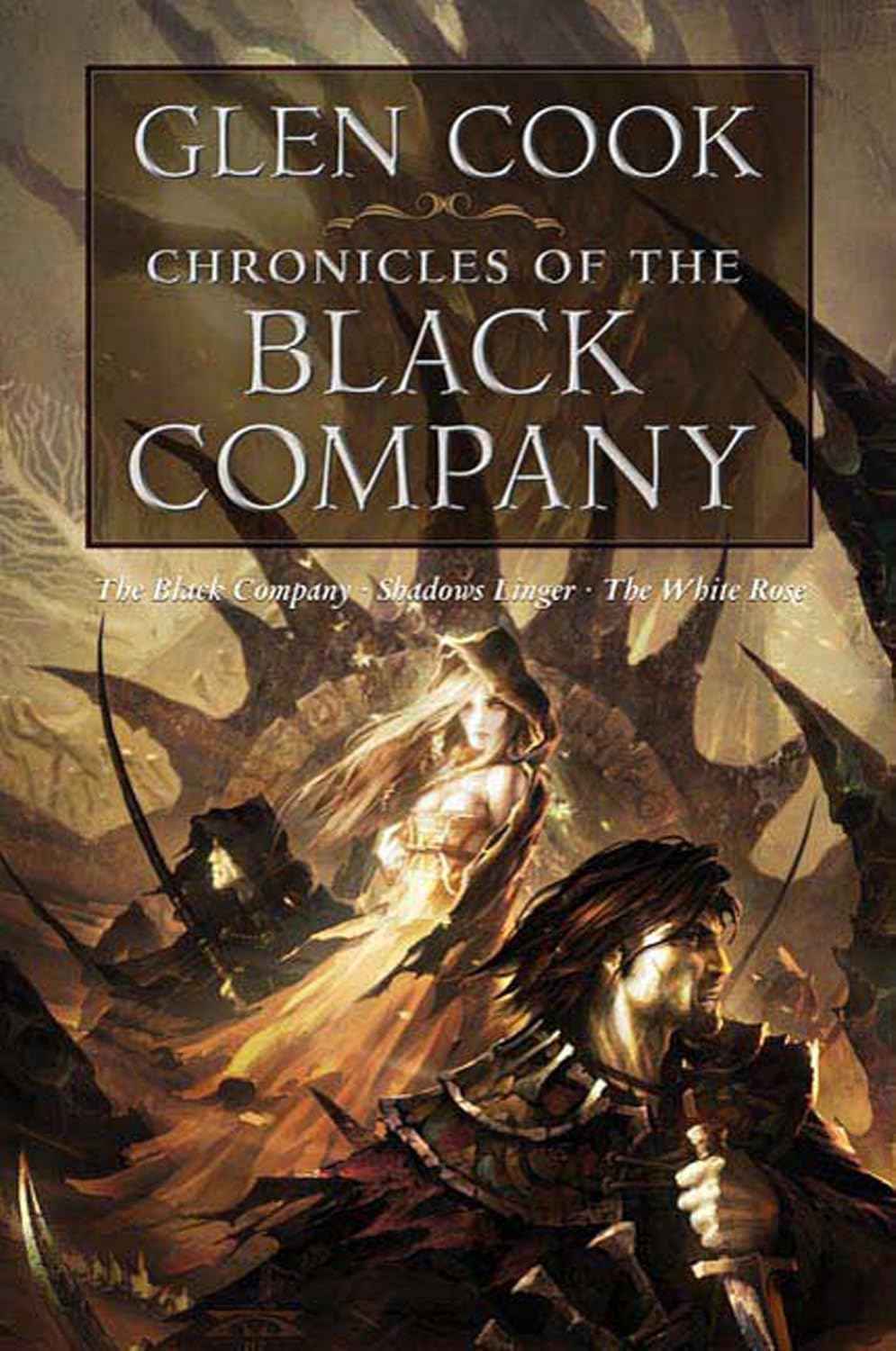
But the real turning point came with Glen Cook. The Black Company (1984) did something revolutionary: it told epic fantasy from the perspective of common soldiers. Worse, mercenaries. Gone were the heroes chosen by destiny, the enlightened kings, the damsels in distress. What remained were ordinary people with their problems, bills to pay, and hunger. The real needs that have shaped the vast majority of humanity since Adam and Eve. The mercenary company works for evil, literally, for a dark lady who could be the antagonist of any other fantasy, and Cook doesn't judge them. He simply shows them as they are: men doing dirty work and trying to survive.
The Black Company proved you could tell fantasy stories without the genre's reassuring moral structure. No prophecies, no chosen ones, no certainty that good will triumph. Just people in impossible situations doing what they can, with nails and teeth.
I'm not a huge fan of George R.R. Martin (finish your work, George!), but you'd have to be blind to discuss grimdark without mentioning him.
A Game of Thrones (1996) didn't invent grimdark. Cook preceded him by over a decade. But Martin brought it to the mainstream in a way no one else had managed. He took epic fantasy with its dynastic wars and political intrigue and treated it with the brutal realism of a historical novel.
The "good guys" die (and die badly, humiliated). The "bad guys" have complex reasons and survive (well, they survive a bit longer). Power corrupts in subtle and devastating ways. And above all: actions have consequences. Not convenient narrative consequences that lead to the hero's victory, but real consequences, often catastrophic and irreversible.
When Ned Stark dies (badly, humiliated) at the end of the first book, Martin established the rules of the game: no one is safe here. Not because the author is necessarily a sadist, but because this is how life works.
Grimdark is obsessed with a limited number of questions that return in different forms. If traditional fantasy asks "how do we defeat evil?", grimdark asks "does evil actually exist, or is it just a name we give our enemies?" And further: "are you absolutely sure you're on the right side?" The more introspective protagonists ask themselves this last question. The others just push forward, drinking that famous double whiskey.
Power is never free. Every choice has a cost, every victory requires a sacrifice. Characters don't "get" power. They buy it, with blood, abandoned principles, or pieces of themselves. This makes every ascent a simultaneous descent. The more power you have, the more you've compromised to get there. By the end of a grimdark work, you feel viscerally dirty.
Grimdark doesn't believe in destiny. Traditional fantasy loves prophecy. There's often a chosen hero, a sword that can only be wielded by the true king, fate guiding events toward the victory of good. Grimdark rejects this framework. There's no divine plan, no cosmic justice. There's only what people do and the consequences that follow.
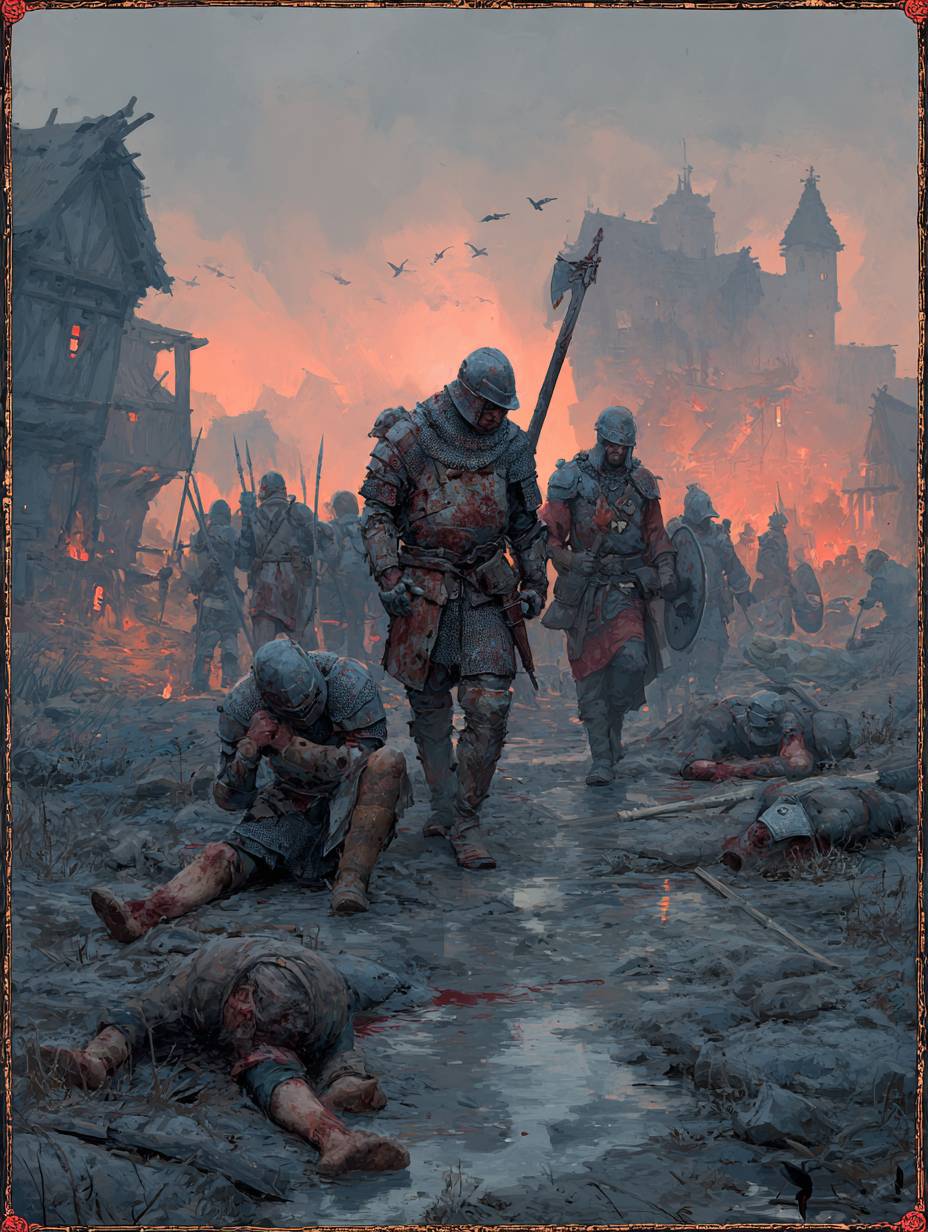
Trauma reigns supreme! Those who survive violence often discover they don't survive themselves. Lasting loyalties are hard to develop. We often find institutions that should represent order and serenity subverted: family against duty, friendship against survival. And if you betray your brother or your friend, you don't do it for lofty moral values or because you discovered they're nefarious servants of evil. You do it because your child is hungry and the only way to feed them is to become an informant. In short: right choices don't exist. Only choices.
It's a more cynical view, obviously, but very realistic. Evil often descends from above: kingdoms, churches, guilds, armies. In grimdark, every institution is compromised. Not because it's "evil" in a cartoonish sense, but because institutions exist to perpetuate themselves, and that perpetuation requires compromises. Grimdark shows what happens when decent people try to operate within indecent systems. I read a brutal, compact version of exactly this in The Iron Tithe: a knight ordered to execute a boy for an arrow that drew no blood, because the Law said so.
When a morally compromised character does the right thing, knowing it will cost them everything, that beats Frodo throwing the Ring into Mount Doom every time.
Foundational Literature
The Black Company — Glen Cook (1984)
The foundational text. Mercenaries working for evil, told without judgment. It invented the voice of modern grimdark.
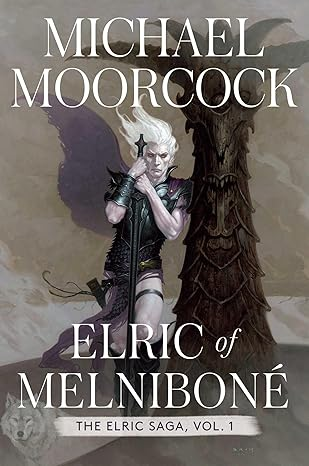
View on AmazonElric of Melniboné — Michael Moorcock (1961-1991)
The archetypal anti-hero: a decadent emperor with a vampiric sword. Tragic, compromised, unforgettable.
View on AmazonA Song of Ice and Fire — George R.R. Martin (1996-)
The book that brought grimdark to the mainstream. Politics, betrayal, and the death of traditional heroism.
View on AmazonThe Prince of Nothing — R. Scott Bakker (2004-2006)
Philosophical grimdark: a protagonist who might be a messiah or a manipulator, in a world of holy wars and ancient horrors.
View on AmazonThe First Law Trilogy — Joe Abercrombie (2006-2008)
Self-aware grimdark. Abercrombie takes every fantasy trope and subverts it, with sharp irony and a broken heart.
View on AmazonMalazan Book of the Fallen — Steven Erikson (1999-2011)
Maximalist epic where gods, soldiers, and forgotten peoples clash in a story of compassion and devastation. Not pure grimdark, but impossible to ignore.
View on AmazonContemporary Voices
The scene today is more alive than ever, and more diverse. These authors are redefining the genre's possibilities.
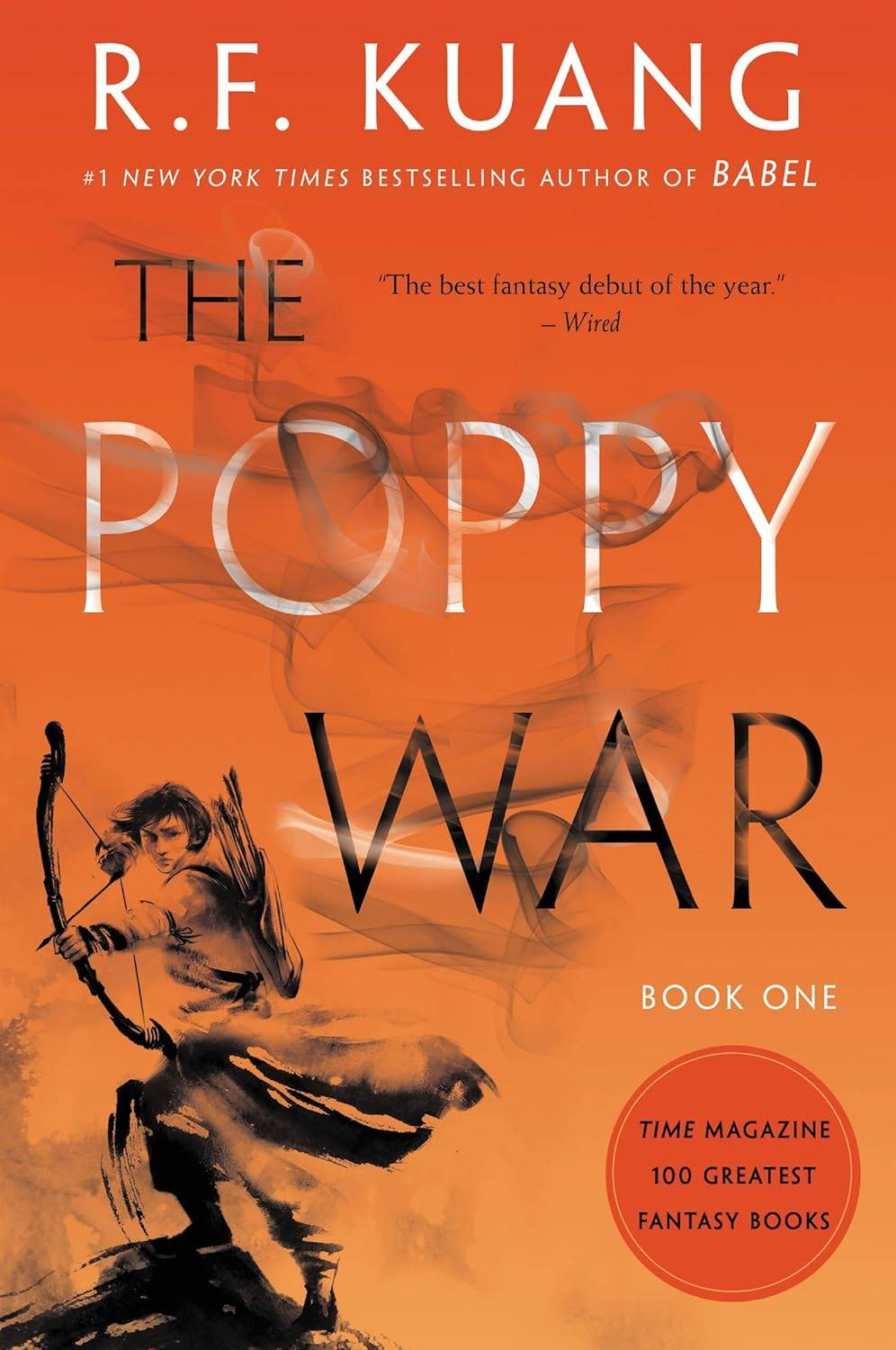
The Poppy War — R.F. Kuang
Grimdark inspired by Chinese history: a girl becomes a divine weapon in a war that mirrors 20th-century horrors. Devastating.
View on AmazonThe Traitor Baru Cormorant — Seth Dickinson
Colonialism, economics as weapon, and a protagonist who becomes the monster she hates to destroy it from within. Ruthless and brilliant.
View on AmazonPrince of Thorns — Mark Lawrence
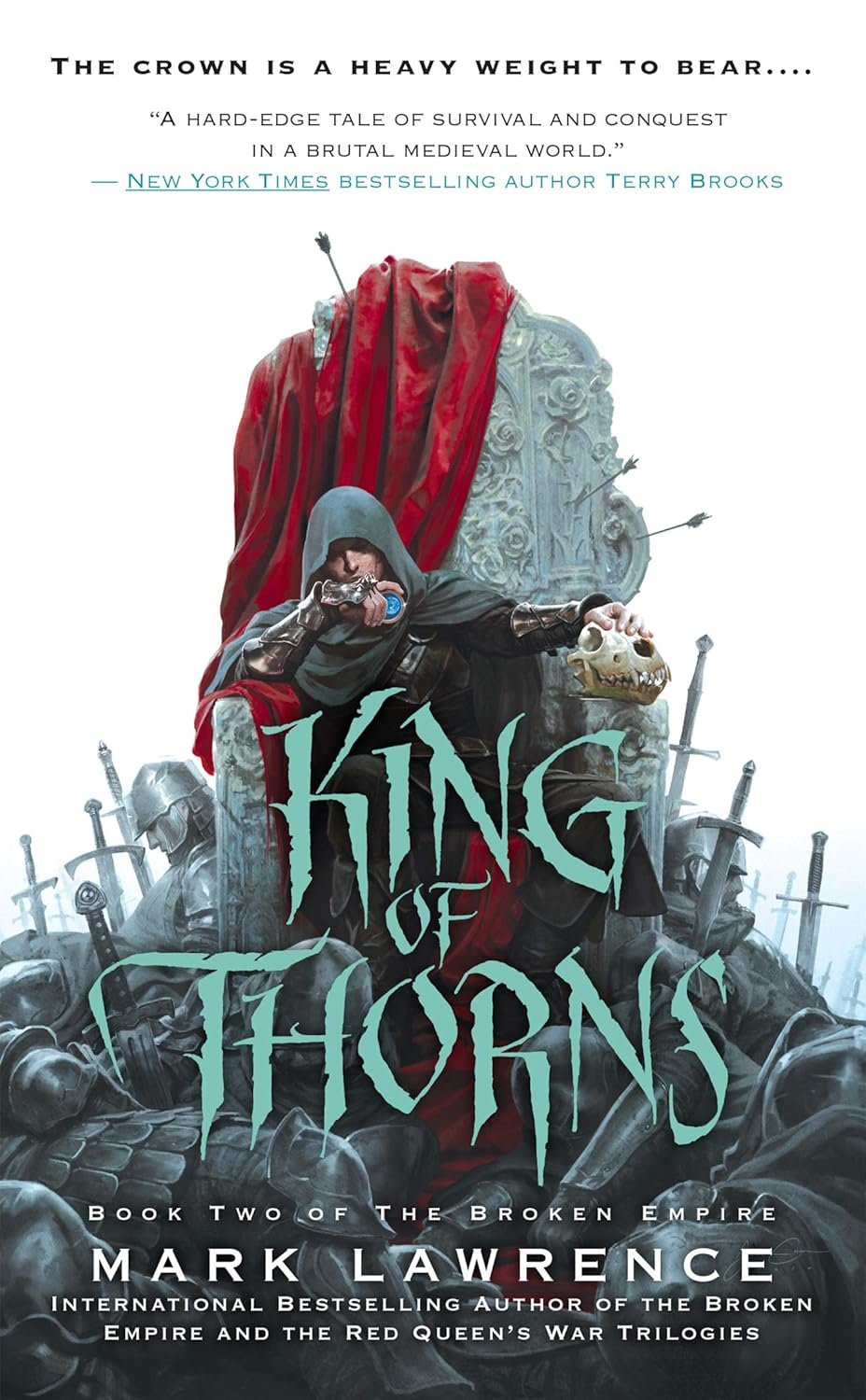
A fourteen-year-old protagonist who's already a monster. Lawrence doesn't apologize, doesn't explain. He just shows the consequences of a world that creates creatures like Jorg.
View on AmazonThe Court of Broken Knives — Anna Smith Spark
Lyrical prose recounting atrocities. Smith Spark writes as if violence were poetry, and poetry were violence.
View on AmazonBlackwing — Ed McDonald
Magic as weapon of mass destruction, a cynical investigator, and a wasteland that's the price of victory. Grimdark noir.
View on AmazonThe Gutter Prayer — Gareth Hanrahan
Weird fantasy with grimdark heart: a city that devours its inhabitants, gods competing like gangs, and characters trying to stay human.
View on AmazonBetween Two Fires — Christopher Buehlman
The Black Death as angelic apocalypse. Historical horror and medieval grimdark fused into something unique.
View on AmazonEmerging authors pushing the genre into new territories (I admit it, I still haven't read them yet. But they're there, waiting eagerly on my nightstand):
A Brief Additional Note on Joe Abercrombie
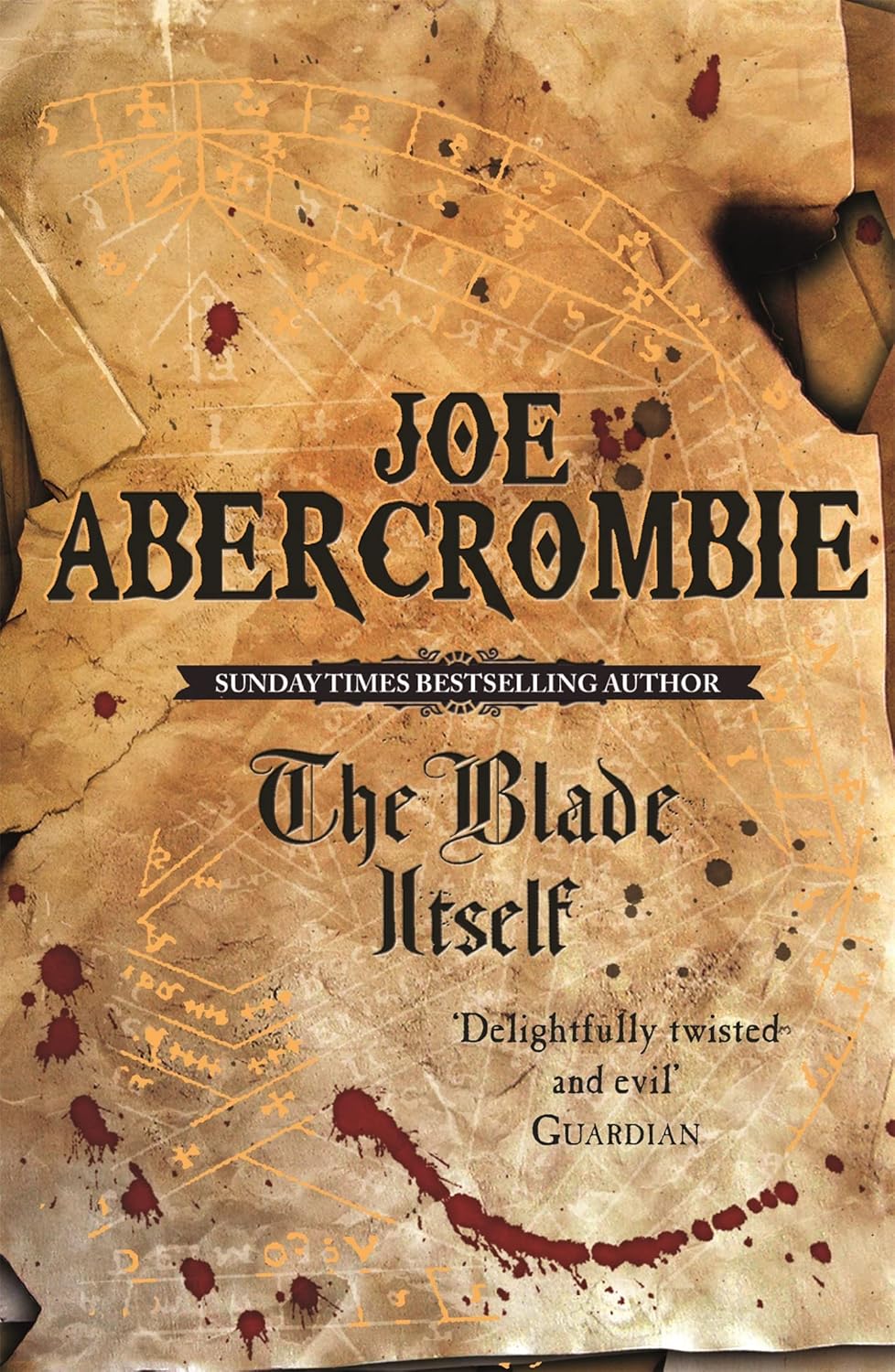
Joe Abercrombie is the author who embodies contemporary grimdark in its purest, most self-aware form. If I secretly love Kameron Hurley for biopunk, Joe is my morning star in this genre.
His First Law trilogy is the canonical example of how to build a grimdark world without ever, for a single second, softening the blow. The setting is fairly standard fantasy fare: a union of northern kingdoms, a southern empire, barbarians, mages, wars. But then Abercrombie takes every expectation and flips it.
Abercrombie doesn't prepare you, doesn't coddle you. He takes you by the hands, spins you around, and throws you in shouting "learn to swim or drown." Personally, I find this the highest compliment a writer can pay their audience, and it's what I love most about grimdark in general: by its very nature, this genre tends to treat readers with respect.
Want the craft breakdown?
I broke down the specific structural techniques Abercrombie uses in The Heroes — mirrored POVs, phrase-mantras, time constraints — techniques any writer can steal.
Read Lessons from Abercrombie →Beyond the Page
Film and TV
- Game of Thrones (HBO, 2011-2019) — The adaptation that changed everything. Before the final seasons, proof that grimdark could work on the small screen.
- The Northman (Robert Eggers, 2022) — Viking revenge devoid of romanticism. Brutal, ritualistic, authentic.
- Kingdom of Heaven (Director's Cut) (Ridley Scott, 2005) — Crusades without heroes, just imperfect men in impossible situations.
- Valhalla Rising (Nicolas Winding Refn, 2009) — More sensory experience than narrative, but grimdark to the bone.
- The Green Knight (David Lowery, 2021) — Arthurian legend deconstructed: what does it mean to be a hero when you don't know what that means?
Video Games
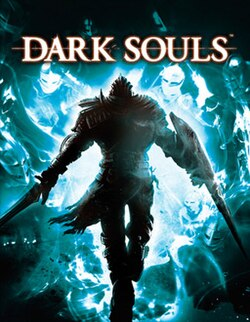
- Dark Souls / Elden Ring (FromSoftware) — Ruined worlds where your only reward is surviving another moment. Grimdark design in its purest form.
- The Witcher series (CD Projekt Red) — Choices without right answers, monsters sometimes more human than humans. Toss A Coin To Your Witchet, O Valley Of Plenty!
- Dragon Age: Origins (BioWare, 2009) — Politics, betrayal, sacrifice. BioWare fantasy at its darkest.
- Darkest Dungeon (Red Hook Studios, 2016) — The psychological horror of dungeon crawling. Heroes break before they die.
Comics and Manga
- Berserk (Kentaro Miura, 1989-2021) — The definitive grimdark manga. Guts is a survivor who never stops fighting a fate that wants him destroyed.
- Crossed (Garth Ennis, 2008-) — Apocalypse without hope. Extreme even by genre standards.
- Saga (Brian K. Vaughan / Fiona Staples) — Space opera with heart, but also endless wars, child soldiers, and impossible costs.
The Current State: A Genre All Grown Up
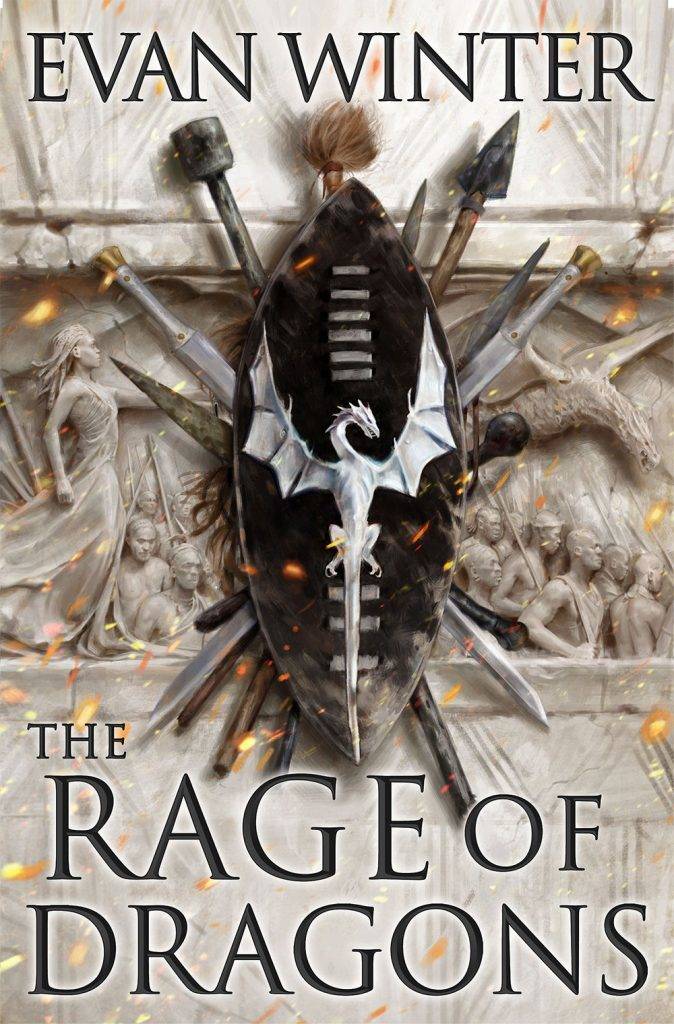
Grimdark has won, folks. It'll never outsell romance, but hey, it's climbing the charts.
Bright epic fantasy still exists, chosen ones abound, and happy endings are guaranteed. But grimdark has irreversibly changed the fantasy landscape. Today it's almost impossible to publish adult fantasy without at least some grimdark influence: characters have FINALLY stopped being acceptable two-dimensional cutouts.
In the publishing market, grimdark has gone from rebel niche to mainstream current. Fantasy shelves are full of dark covers, anti-heroes, and blurbs promising "morally grey characters" and "no heroes, only survivors." This is both a triumph and a risk.
The risk is formula. When grimdark becomes a checklist:
☑ cynical protagonist
☑ graphic violence
☑ bitter ending
... it loses what made it powerful. Grimdark isn't a list of ingredients. It's an approach to storytelling: brutal honesty about the consequences of human actions.
Authors like R.F. Kuang and Seth Dickinson don't write grimdark because "it's trendy." They write stories that require that mode to be honest. The Poppy War couldn't tell the story of the Nanjing Massacre in traditional epic fantasy without being offensive.
The best grimdark is grimdark because it has to be.
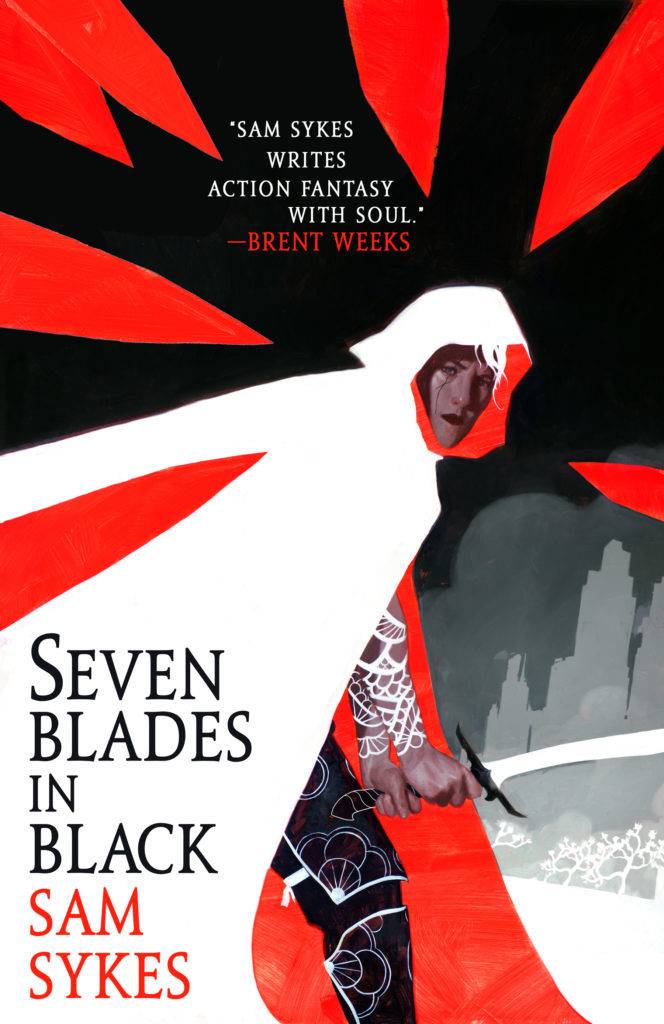
Those of us at life's midpoint remember that second belle époque between the fall of the Berlin Wall and 9/11. Well, it's over. Now we live in an era of disillusionment and canceled futures. Grimdark, born as a reaction to the escapist fantasy of the '80s, finds fertile ground in this climate.
But the genre must evolve to stay relevant.
The next frontier isn't "darker" or "more violent," though many readers certainly enjoy the gore direction. I believe we need to diversify voices. Classic grimdark has been dominated by masculine, Western, pseudo-medieval perspectives. The most interesting authors today, Kuang, Dickinson, P. Djèlí Clark, bring stories, settings, and historical traumas that traditional grimdark didn't even know existed.
This is what I'm trying to do with Ravenous Mother.
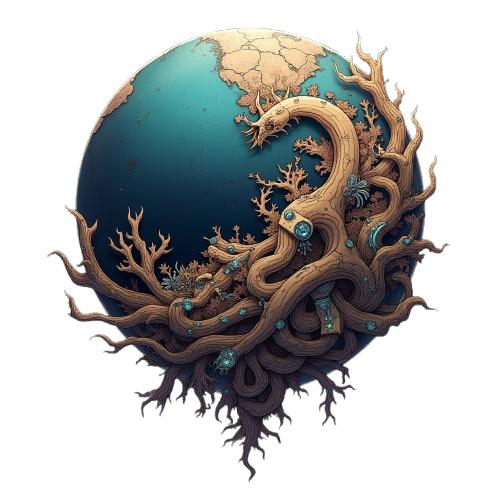
The series takes place entirely inside a colossal living organism called the Mother. There's no stone, no metal, no sky. Only flesh, membrane, and cartilage. Society is stratified into rigid castes. Sacrifice isn't metaphor: every forty years, the chosen are literally devoured by the Mother to nourish everyone else. Look at my characters' names: Nkosi, Khulekani, Kawe, Lwazi, Thandie. I ran as fast as I could from the Western cliché of castles, armies with banners, and dragons.
Ravenous Mother isn't grimdark because it has violence. It's grimdark because the system works. The Selection is horrible, but without it, everyone would starve. The castes are oppressive, but they allow society to function inside an organism that would otherwise dissolve them. The characters who rebel don't have better answers. They just have the certainty that this isn't acceptable.
I sell the series as a mix of biopunk, dark fantasy, and grimdark, because that's where readers can find it. And honestly, I know each genre truly touches and animates the series. But the moral approach is grimdark from first page to last.
Cook blazed the trail with mercenaries. Abercrombie perfected it with irony. Little by little, authors far better known than me are feeding grimdark. I'm trying to add my contribution.
Sources & References
- Grimdark Magazine - The genre's reference publication: reviews, interviews, short fiction
- r/Fantasy Grimdark Recommendations - The Reddit community with the best curated lists
- Mark Lawrence's SPFBO - Where the genre's new voices are discovered
Comments